- Associate Histotechnologist, Wax-it Histology Services
- Research Coordinator, Hematology Research Program, UBC Division of Hematology, Vancouver General Hospital
- Clinical Research Assistant, Laboratory Program, BC Centre for Excellence in HIV/AIDS
- Senior Program Coordinator, Social Diversity for Childcare Foundation
- Research Assistant/Technician 2, Centre for Molecular Medicine and Therapeutics
- Administrator/Client Services Associate, ALS Laboratories
Program information
Whether you’re interested in pursuing a career in research or biotechnology, considering entering a health profession, or looking to advance your career as a medical laboratory technologist, the Medical Laboratory Science program could be for you. Gain practical lab experience and knowledge in a broad range of health science subjects, while developing crucial transferrable skills.
What you'll learn
Medical Laboratory Science is the study of the scientific principles underlying disciplines practised in hospital and medical research laboratories, including toxicology, hematology, histology, tissue culture, molecular biology, biochemistry, medical microbiology, human physiology, clinical chemistry, genetics, immunology, parasitology, cytology, and instrumental analysis.
You’ll enter the program in your third year of study and spend two years learning the theory and practical laboratory skills needed to design and implement experiments and analyze the results. The curriculum bridges numerous fields of health science study, enabling you to work across interdisciplinary boundaries.
Experiential learning and research
As a Medical Laboratory Science student, you’ll gain practical, hands-on experience in a variety of lab techniques. You’ll also learn higher-order skills related to experimental design, critical thinking, giving and receiving feedback, presentation delivery, discussion facilitation, and strategies for effective teamwork.
If you’re interested in pursuing a research career, you have the option of completing a directed studies research project with faculty members in the Department of Pathology and Laboratory Medicine.
Campus features
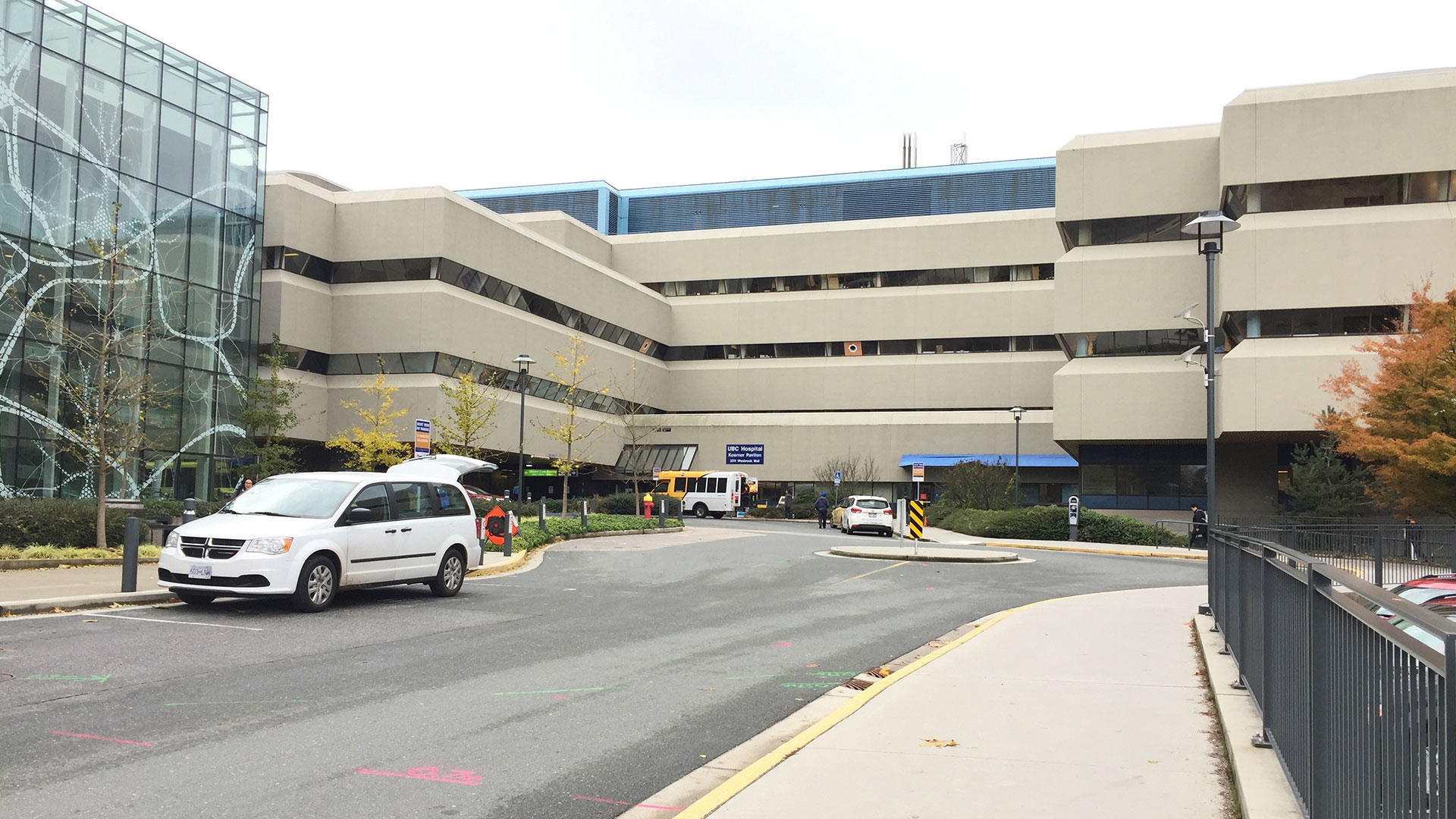
The Medical Laboratory Science program is located in the Department of Pathology and Laboratory Medicine at UBC Hospital on the Vancouver campus. As a student in the program, you’ll also have the opportunity to visit other spots, including the BC Centre for Disease Control, the William Boyd Museum of Pathology, and clinical hospital laboratories.
Program advantages
Small class sizes. Learn from award-winning researchers, clinicians, and instructors. High acceptance rates into graduate school, medical school, dental school, and more.
Courses
There are many courses you can take within Medical Laboratory Science. Here are a few you might like.
An advanced lecture and laboratory course in the microscopic structure of the human body is necessary for a complete understanding of histochemistry and histopathology.
Descriptions of each group of human microbial pathogens according to biological attributes, clinical features, pathogenesis and pathology, epidemiology, immunological reactions, laboratory diagnosis, principles of antimicrobial therapy, preventative measures. For students in the Faculty of Medicine, B.M.L.Sc.
An integrated approach to specific areas of the theoretical and practical aspects of those physical and biological sciences relevant to medical laboratory science. Emphasis will be placed upon the application of basic science to those clinical disciplines practised by the medical laboratory scientist.
A theoretical and practical examination of those modern concepts of haematology which relate to the practice of medical laboratory science.
Outcomes
As a Medical Laboratory Science graduate, you’ll be prepared for a variety of science-based careers, including those in industry research and development (e.g., with biotechnology and pharmaceutical companies) and academia. For graduates who were previously certified Medical Laboratory Technologists, the Bachelor of Medical Laboratory Science (BMLSc) degree can aid in career advancement. Many BMLSc graduates go on to further studies in medical, dental, and other health professional programs; thesis-based graduate programs (e.g., MSc or PhD); or graduate management programs (e.g., Master of Health Administration).
Program graduates
-
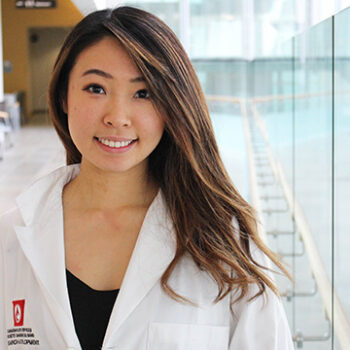
“Although I knew I was interested in going into research, I had a very narrow view of research as a career and was unsure what role I wanted to play. I had this impression that being a scientist meant it was important for me to solidify a single theme, get very skilled in a single area, and only work on that for the rest of my life. Over the course of my studies, I was exposed to a huge variety of subfields and skills in medicine.”
Lily Takeuchi, Medical Laboratory Science
Want to get a feel for campus?
If you’re unable to visit UBC in person, or you just want to get a sneak peek at your new home campus before you arrive, take one of our virtual tours. Current UBC students walk you through UBC’s residences, study spots, recreational facilities, lecture halls, academic buildings, and more.
Want to learn more?
Visit the Faculty of Medicine website to learn more about Medical Laboratory Science.
View full program details