Program information
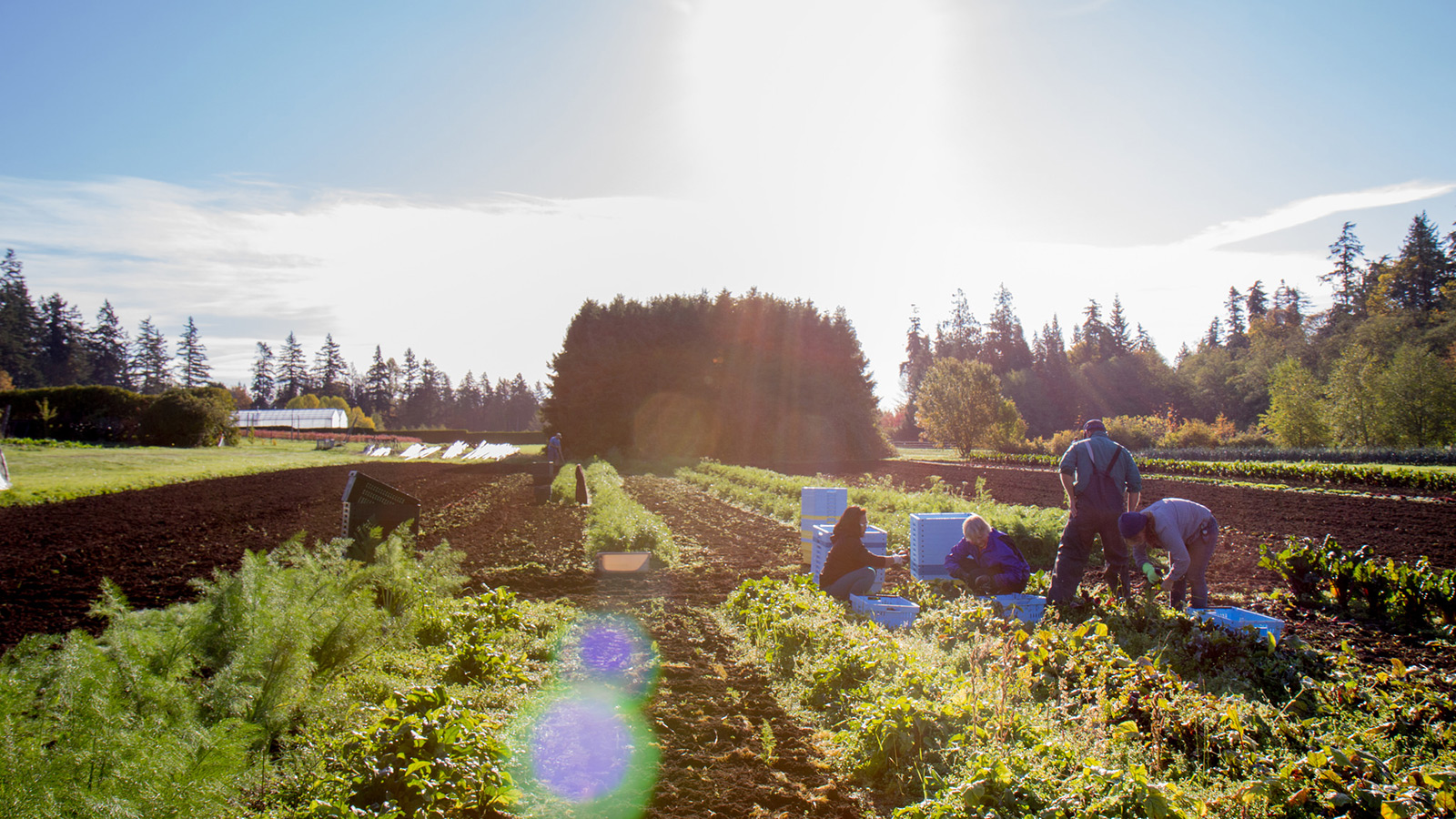
Explore solutions to complex resource problems as you delve into global food systems and their link to human and environmental health, agrifood systems, and more. You’ll have the opportunity to design your own degree and travel to other countries as you prepare for a career on the international stage.
What you'll learn
The Global Resource Systems (GRS) program recognizes that solving complex resource problems requires a wide range of skills, as well as a global and interdisciplinary approach. GRS is designed to equip you with a sophisticated international understanding, well-developed problem solving skills, and the confidence to bring your knowledge and insights to bear on the international stage.
You’ll enter the program after completing your first year in Land and Food Systems, Arts, or Sciences. In the third and fourth years of the program, you’ll select a resource area and a region of the world as the focus of your studies. In this self-directed program, you’ll focus on local and international resource issues and build your own degree path through a combination of science, humanities, and social science courses offered at faculties across UBC.
Experiential learning and research
Language and cultural training, and experiential learning, are requirements of the program. As part of a mandatory international field study, you’ll spend one or two semesters studying or volunteering abroad, usually in the region of your specialization. The destination, duration, and activity are flexible – your focus will be on learning and working in a different community and culture, developing your cross-cultural sensitivity and understanding.
The international experiences are offered through UBC’s Go Global Student Exchange program as well as through GRS-specific exchanges, including the popular field studies program in Kenya. The program received the 2002 Award for Excellence in Internationalization, sponsored by Scotiabank and the Association of Universities and Colleges of Canada, and the Alfred Scow Award in 2007 for contribution to student development.
Program advantages
Enjoy the flexibility to design your own curriculum, and gain skills and knowledge in both the humanities and the sciences. Develop cross-cultural sensitivity through language and cultural training while spending a semester studying or volunteering abroad. Gain a resource specialization within the context of a region of the world.
Courses
There are many courses you can take within Global Resource Systems. Here are a few you might like.
Orientation to the programs, learning environment, and core values of the Faculty of Land and Food Systems; career programs; survey of professional opportunities and requirements.
Managed systems and concepts of sustainability; economic, ecological and social components; managed landscapes, agri-food systems, and communities; urban and rural systems; the land, food, nutrition and human health continuum.
Students interact face-to-face and online as a community of learners to discuss global issues in agriculture, food, and natural resources in cultural context. Typically taken while studying abroad.
Design, analysis, recommendation or implementation of solutions in response to a food sustainability issue faced by community partners. Emphasis is on professional communication, leadership development, project management and decision-making skills.
Outcomes
A GRS degree gives you a resource specialization and sets it within a specific global regional context, creating a depth and specificity of knowledge that is very valuable for employers in those sectors. Pursue a career in local, regional, national government; work in the private sector or with non-governmental organizations (NGOs); stay in Vancouver, work in your home region, or go abroad; focus on fresh water resource management or forestry, food security in remote communities, or large-scale, sustainable agriculture. The choice is truly yours: do what you want with your degree, make it your own, and the opportunities will be endless.
-
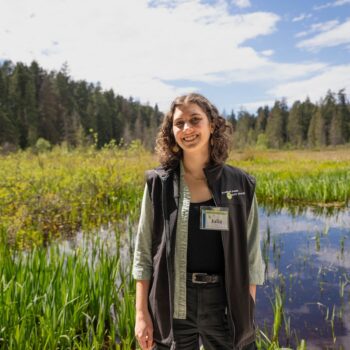
“My program, Global Resource Systems, was the perfect fit for me, as I got to apply my passion for sustainable food systems with environmental science, all while focusing on real-world action through an interdisciplinary lens. I was encouraged to take my learning outside of the classroom and apply my learning in other settings, and with so many options, it meant that I could create the exact right combination of experiences to fuel my aspirations and unearth new goals along the way.”
Julia T., Global Resource Systems, AlumRead Julia's story
Take action & plan
Want to get a feel for campus?
If you’re unable to visit UBC in person, or you just want to get a sneak peek at your new home campus before you arrive, take one of our virtual tours. Current UBC students walk you through UBC’s residences, study spots, recreational facilities, lecture halls, academic buildings, and more.
Want to learn more?
Visit the Faculty of Land and Food Systems website to learn more about Global Resource Systems.
View full program details